Welcome!

Building Resilient Communities,
Driving Change!​

At APCfC, we believe in the power of communities to lead their own transformation—and we are here to make that change possible.

Who We Are

Rooted in Community, Driven by Change

We are the Association of Pastoralist Community for Change (APCfC), founded in 2006 by 72 pastoralist and agro‑pastoralist members of the Oromia lowlands. Formerly the Oromia Pastoralist Association (OPA), we champion community voices, social justice, and sustainable development—strengthening livelihoods, restoring ecosystems, promoting peace, and empowering women and girls. Our work is grounded in local knowledge, reinforced by community resilience, and driven by long‑term commitment to change.

Our Focus Areas

Advocacy &
Community Voice
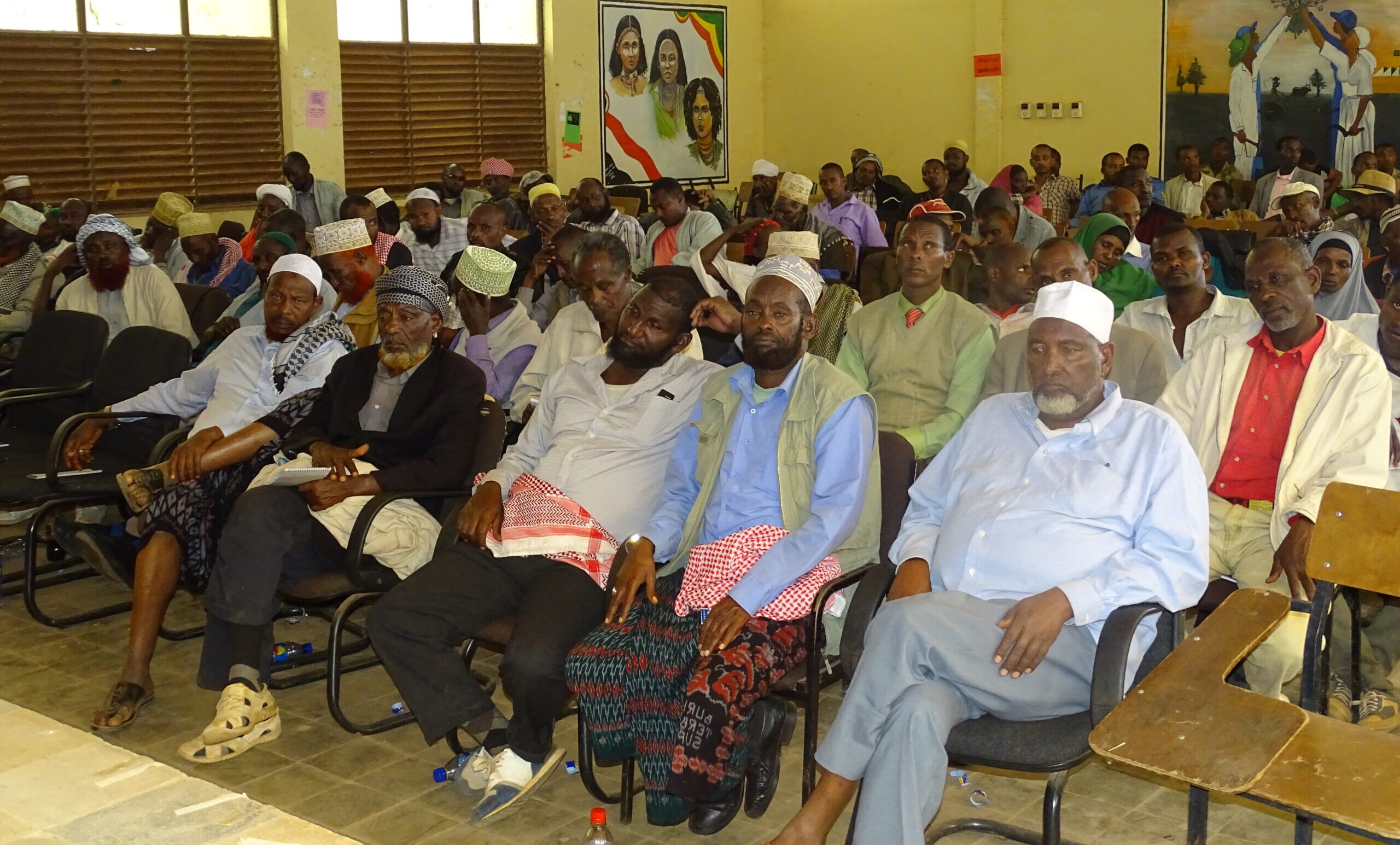
We strengthen pastoralists’ advocacy capacities and mobilize their governance structures to engage in evidence‑based policy processes, influence decisions, and improve food security and sustainable pastoral livelihoods.

Peace building & Social Cohesion
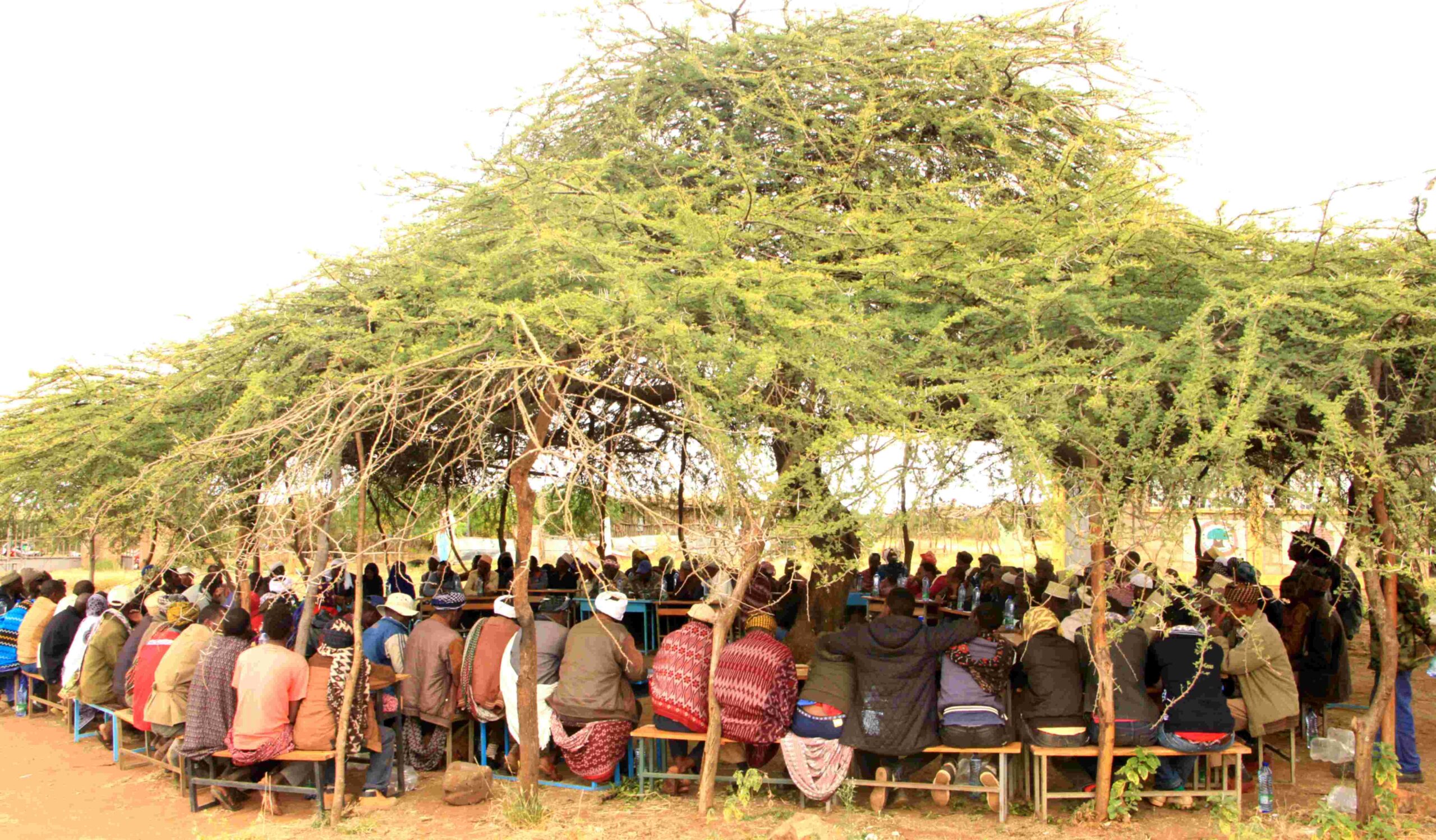
We support conflict‑affected pastoralist and agro‑pastoralist communities to engage in inclusive dialogue, strengthen traditional peace arrangements, and transform natural‑resource scarcity into cooperation, resolving intra‑ and inter‑community conflicts peacefully

Gender Equality & Women’s Empowerment
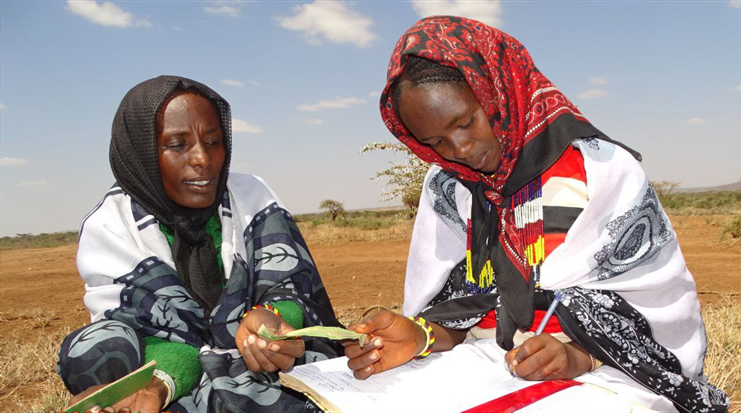
We empower vulnerable women and girls to strengthen their economic choices, build confidence, diversify incomes, and participate in household and community decisions, while engaging men, families, and leaders to champion gender equality.

Livelihoods & Climate Resilience
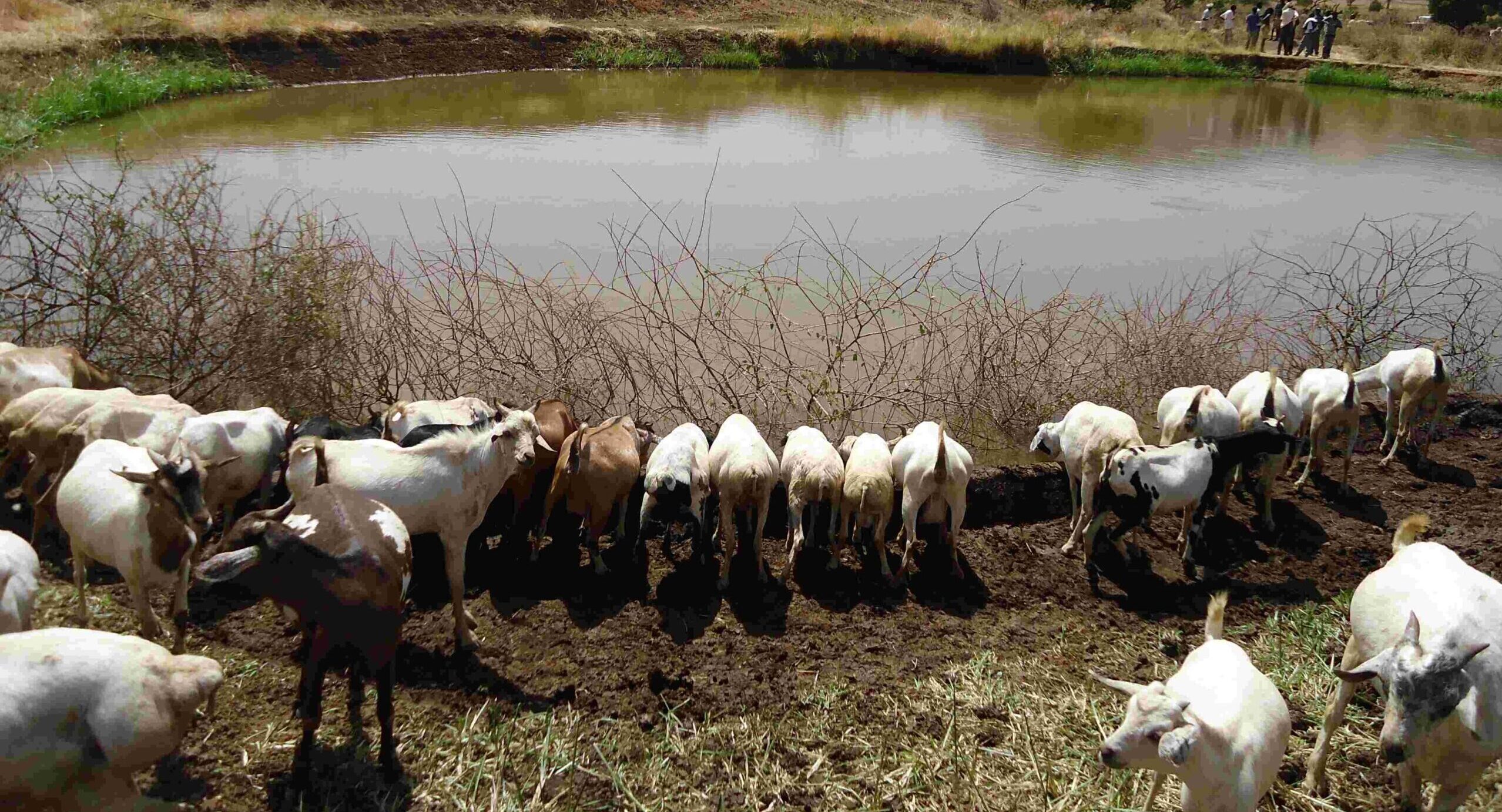
We help impoverished pastoralist and agro‑pastoralist women and men build resilient livelihoods by strengthening agroecological skills, improving livestock and fodder management, and supporting community‑led rangeland and water resource development and sustainable use.

Humanitarian Response & Protection
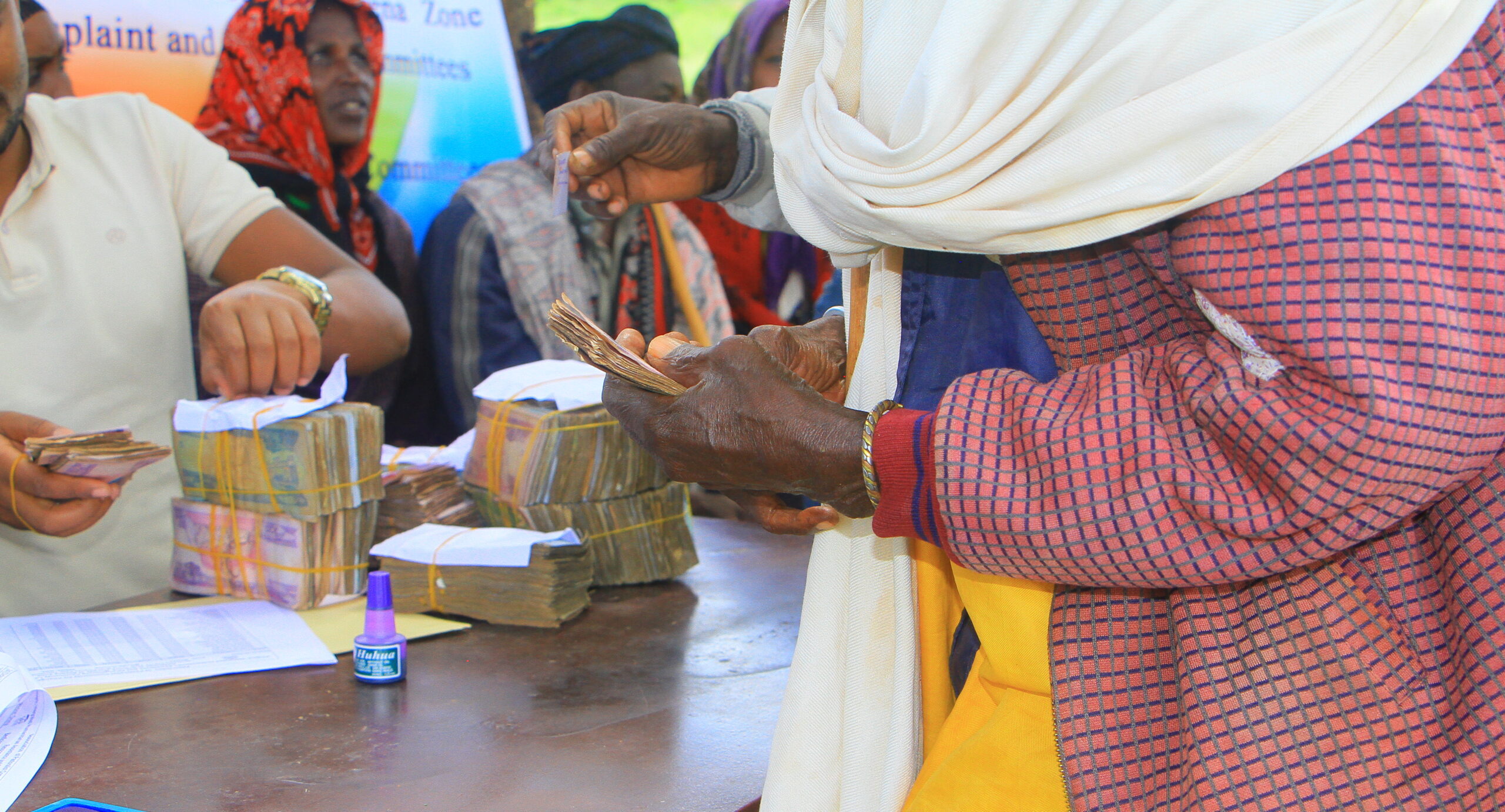
We ensure crisis‑affected communities receive timely, accountable, needs‑based humanitarian assistance that protects safety and dignity, delivering Cash and Voucher Assistance, protection services, and essential shelter and NFI support to reduce human suffering.
Along the Oromia–Somali border in Moyale, years of drought, administrative tensions, and rumor driven fear had eroded trust among Borana, Gabra, and Garri communities, turning shared spaces into sources of caution. “One rumor was enough markets emptied, children stayed home, and greetings disappeared,” recalled Amina Ibrahim.
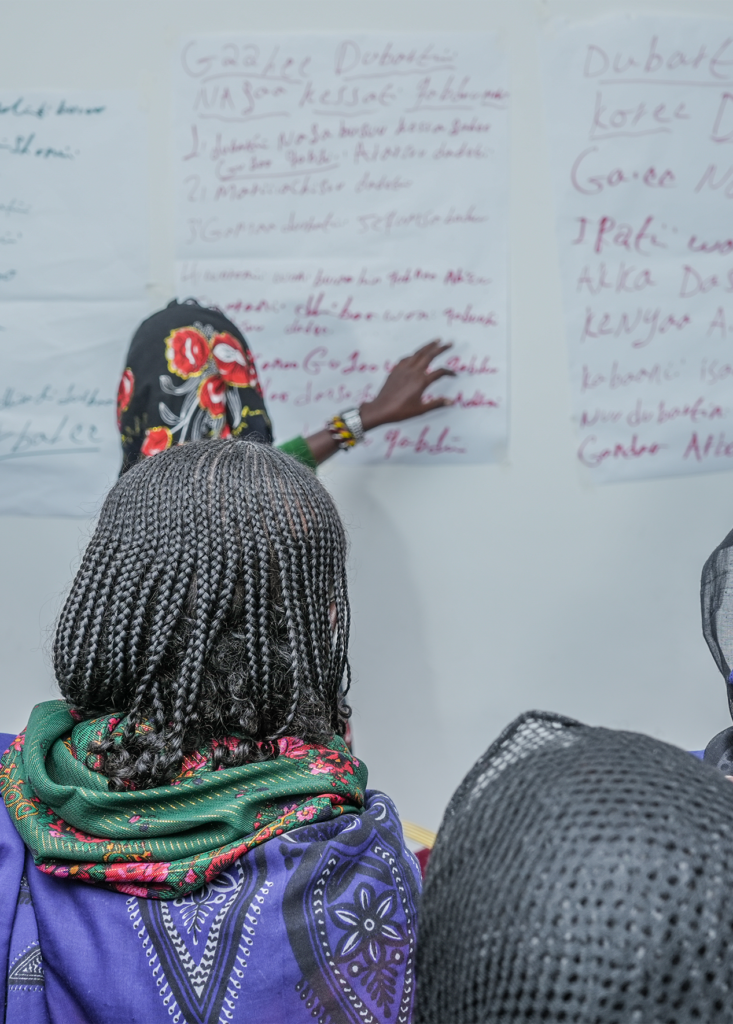
In 2025, APCfC and PIDA, with support from the Embassy of Ireland, launched a joint initiative that placed women at the center of peacebuilding. Six Women’s Social Forums (WSFs) were formed, bringing together 156 women across six kebeles to lead dialogue, rumor verification, and early warning. Through regular meetings, savings groups, and training in mediation and non-violent communication, women transformed fear into coordinated calm. “Saving together kept us meeting; meeting helped us verify rumors; and verified information reduced fear,” explained Amina Adan Ali.
The impact was clear during the 2025 Wachile–Hudet crisis, when women prevented escalation and displacement.

Projects

Our Projects at a Glance

For nearly two decades, APCfC has delivered a diverse portfolio of peacebuilding, resilience, gender equality, and humanitarian programs that have strengthened the wellbeing of pastoralist and agro‑pastoralist communities across southern Ethiopia. Through over fourteen major projects, the organization has enhanced local conflict‑resolution systems, expanded women’s economic opportunities, supported sustainable livelihoods, and provided lifesaving assistance to crisis‑affected households. APCfC’s deep community roots, reliance on customary institutions, and commitment to inclusive, evidence‑based approaches have positioned it as a trusted local actor. These efforts continue to promote dignity, stability, and long‑term, positive transformation in Ethiopia’s dryland regions.

Resilience, Empowerment and Sustainable Economic Wellbeing for Vulnerable Communities in Borena zone, Ethiopia:

This Trócaire/CST‑Ethiopia initiative (2023–2027) supports vulnerable families in Dire and Moyale to rebuild livelihoods, strengthen resilience, and secure a dignified, sustainable future through improved economic opportunities, local capacity building, and climate‑smart solutions across Borena Zone.

Enhancing local capacities and practices for social cohesion and harmony:

Funded by Irish Aid– (2024–2025) this intervention strengthens local capacities and revitalizes traditional peace practices to foster harmony among the Borena, Garba, and Geri communities, promoting dialogue, rebuilding trust, and nurturing peaceful coexistence across the Moyale districts.

Infrastructure for Dialogue (I4D) Programme:

Supported by GIZ–Civil Peace Service Programme (2023–2026) the project strengthens inclusive community peace structures in Dillo Woreda, enabling local leaders and networks to prevent tensions, resolve conflicts peacefully, and foster lasting harmony across communities.”

Integrated Humanitarian Assistance:

This DanChurchAid (DCA) initiative (2025–2026) provides lifesaving integrated humanitarian assistance in Dubuluk Woreda through multi‑purpose cash assistance and a survivor‑led Group Cash Transfer response, enabling vulnerable households in Borana Zone to meet urgent needs, restore dignity, and strengthen their ability to recover from crisis.

Impact Highlights & Stories

+
.
Pastoralists benefited from improved peace and security.
+
Women and girls empowered through savings, education, and leadership programs.
+
Individuals received emergency food and cash assistance.
+
Pastoralists supported for securing the first communal land titles.

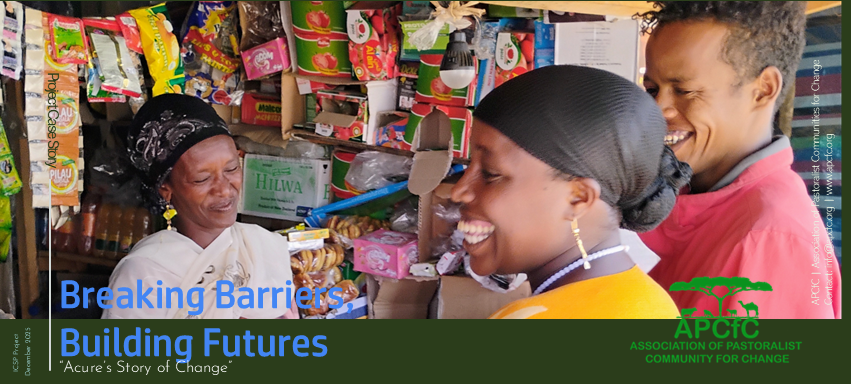
Once devastated by drought, Acure rebuilt her life through the APCfC–Trócaire Women’s Self‑Help Group under “Resilience, Empowerment and Sustainable Economic Wellbeing for Vulnerable Communities project.” She now runs two shops, engaged in livestock production and earned 250,000+ birr, “When I learned how to manage money, my fear disappeared. Now I want to help other women rise with me,” says Acure.

Our Partners and Networks

The Association of Pastoralist Community for Change (APCfC) has a long-standing commitment to working collaboratively with local, national, and international partners to advance its mission and strategic objectives.

News & Updates

Water pipeline rehabilitated

550 households in Lagasure Kebele in Moyale have benefited from the water pipeline rehabilitated by APCfC.

New project site opend by APCfC

APCfC has officially opened its 4th local project coordination office in Negele-Borena town. Representatives of the various government, CSOs and community leaders were participated on the launching workshop.

Women Peace Forums Established

APCfC has supported for thethe establishment of three Women Peace Forums in Ogoba, Funan Agartu, and Rukesa Bim Kebeles of Liban Woreda, East Borana Zone.

Joint Mediation and Dialogue Session

AThe session convened 54 participants, including kebele peace committee members and government experts from both the Somali and Oromia sides of Moyale Woreda.

Legacy on the Move

The “Walking life of NURA DIDA HALEKE”

Nura Dida, born in 1957 in the pastoralist community of Southeastern Liben in Oromia, Ethiopia, was a dedicated community leader known for his courage and commitment to justice. He served in the local security force during the conflict with Somalia’s Ziad Barre regime and later worked as a local administrator. Driven by a vision to empower pastoralist communities, he mobilized 71 pastoralists from across Oromia to establish Ethiopia’s first community-based pastoralist association. This effort led to the founding of the Oromia Pastoralist Association (OPA) in June 2006, now the Association of Pastoralist Community for Change (APCfC). Under his leadership, APCfC became a strong advocacy platform that helped secure recognition of pastoralism as a legitimate livelihood and protected communities from forced evictions.


Contact Us

Find our contact details and get in touch with our team for any information you would like to know about us.

Kirkos Sub city, Woreda 07, AN Business Center, 4th floor, P. O. Box: 18500; Addis Ababa-Ethiopia

+251 115 318141

Send Us a Message

Use the form below to reach out to us. We\’ll get back to you as soon as possible.

First Name
Last Name
Email
Message
Thank you for contacting APCfC. Your message has been submitted successfully!
There has been some error while submitting the form. Please verify all form fields again.
Scroll to Top

Review My Order

0

Subtotal