WOMEN & GIRLS
EMPOWERMENT


“We empower communities to lead their own change”

Building a Future Where Women and Girls Thrive

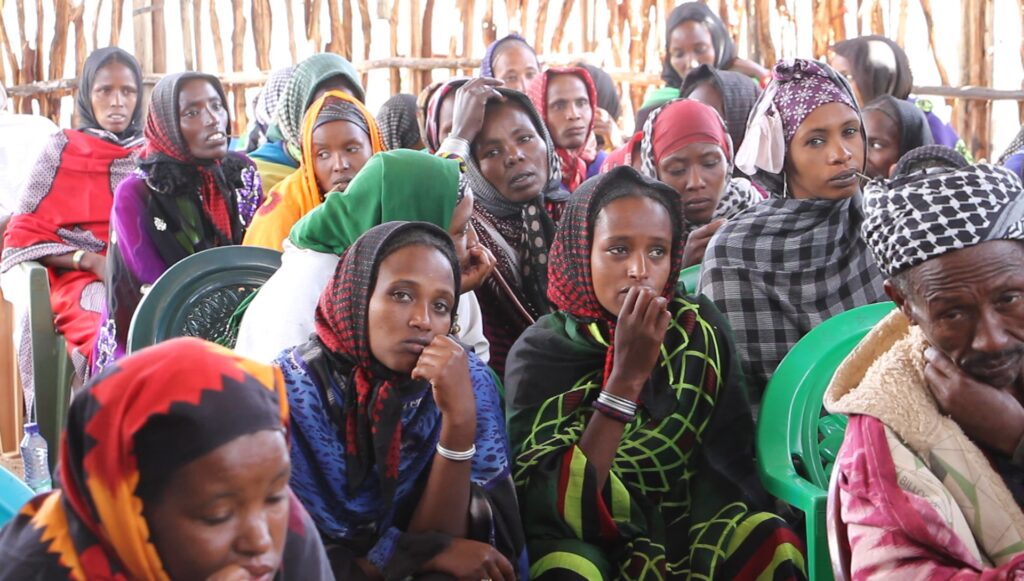
Since 2014, The Association of Pastoralist Community for Change (APCfC) has placed gender equality and the empowerment of women and girls at the heart of everything we do. In pastoralist communities, deeply rooted inequalities continue to limit access to resources, decision-making, and opportunities. We are committed to breaking these barriers and creating a future where women and girls can lead, prosper, and inspire change.
The overarching aim of APCfC’s Gender Equality and Women’s Empowerment program is to achieve transformative gender equality by promoting women’s and girls’ access to and control over productive resources and expanding their economic opportunities. This thematic area is grounded in the belief that empowering women and girls—both socially and economically—is essential for enabling them to exercise greater control over their lives and contribute meaningfully to their communities.

Our Approach:

We apply a variety of community-based innovative approaches to address gender inequality and promote women’s empowerment. Our overall empowerment strategy focuses on exploring our community’s locally existing knowledge and skills, in particular, women’s knowledge and skills, their roles and responsibilities, their needs and priorities, and their own strategies for change.
The following are among the key methodologies we pursue to promote gender equality and the socio-economic empowerment of women and girls.
✓ Creating and implementing shared family visions, improving decision-making and equitable workload balance through the application of Transformative household methodologies
✓ Awareness raising and Capacity Building on gender equality and women’s rights.
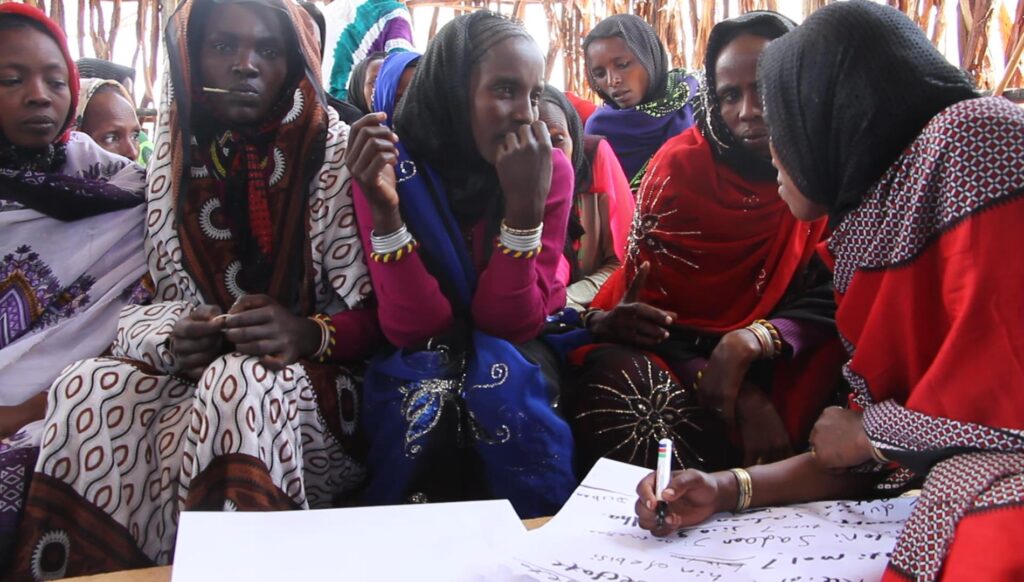
✓ Strengthening women’s social capital through forming women-only Self-Help groups and empowering them to access and manage key resources and assets.
✓ Provision of Functional Adult Literacy Program for women and girls
✓ Support Women and girls to access psychosocial support services and GBV survivors access specialized interventions to meet their needs and preferences.
✓ Strengthening women’s self-confidence, knowledge, and skills – including technical, leadership and managerial – through gender-sensitive business advisory services
✓ Enhance knowledge and skills of Women and girls on saving and credit practices, skill in production and product management and to have improved access to finance/credit services.

Driving Change Through Collaboration

With our partners and target communities, APCfC works to Challenge harmful social norms and practices that perpetuate discrimination; Strengthen local protections for women’s rights and well-being; Promote inclusive access to food, economic opportunities, and leadership roles; and Mainstream gender equality across all programs for lasting impact.

Why This Matters

Despite their vital contributions to the economy, pastoralist women and girls face systemic challenges:
• Limited access to income and decision-making platforms
• Exclusion from economic activities and leadership roles
• Gender-based violence, early marriage, and harmful cultural practices
• Weak enforcement of constitutional protections

Our Focus Areas

01

Advancing transformative gender equality

We work for advancing transformative gender equality by addressing systemic gender-based inequalities and increasing women’s and girls’ voice and leadership in both formal and informal spaces.

03

Enhancing Decision-Making abilities

Strengthening women’s and girls’ confidence, self-esteem, and decision-making abilities, enabling them to negotiate and lead effectively in all spheres of life.

04
Promoting women’s participation in economic activities
Mobilize family members—particularly men and boys—alongside community leaders and duty bearers to actively support women’s equal participation and leadership at both household and community levels.
02

Enhancing Women’s and girls safety, psychosocial well-being

We support women and girls to experience enhanced safety, psychosocial well-being, and meaningful participation at the individual, household, and community levels.

05

Mobilize family members—particularly men and boys.

Mobilize family members—particularly men and boys—alongside community leaders and duty bearers to actively support women’s equal participation and leadership at both household and community levels.

Project Interventions and Results

APCfC’s commitment to advancing the rights and empowerment of pastoralist women and girls is reflected in a series of impactful, community-based project interventions. These initiatives have focused on enhancing socio-economic resilience, promoting gender equality, and supporting women’s leadership and participation in pastoralist communities. To mention some key Project Interventions:
Resilience, Empowerment, and Sustainable Economic Wellbeing for Vulnerable Communities (2023–2027): This five-year Nexus project, funded by Trócaire–CST Ethiopia, is being implemented in Bede, Laga Sure, Degaga, and Gololcha Kebeles of Dire and Moyale Woredas in Borena Zone, Oromia Region. Targeting over 19,922 individuals—including women, men, girls, and boys—the project aims to support sustainable livelihoods, enhance food security, improve psychosocial well-being, and promote meaningful participation and leadership. It also seeks to reduce dependency on relief assistance by enabling communities to meet their food and livelihood needs independently.

▶ Developing Inclusive and Profitable Dairy Value Chains (2020–2023): Implemented in Tuka, Mudhi Ambo, Bokola, Argane, and Mado Kebeles of Moyale Woreda, this project directly benefited 6,161 women. Funded by Jersey Overseas Aid (JOA) through CST-Ethiopia, the initiative improved women’s lives through enhanced savings practices, access to education, and increased participation in decision-making processes affecting their well-being

Women’s Socio-Economic Empowerment (2017–2022): With support from Trócaire/CST-Ethiopia, this project empowered over 351 poor and vulnerable women in Mandacho Kebele, Dire Woreda. Participants improved their income sources, gained literacy skills, and began participating in both formal and informal decision-making structures within their communities.
Strengthening Social and Livelihood Capacities of Pastoralist Women (2015–2016): Funded by the British Council–CSSP-SPG, this initiative supported 286 women in Dhasi and Goro-Dola Woredas (Borena and Guji Zones) to access equitable livelihood services and assets, contributing to broader social transformation and economic empowerment.

Through our ongoing and past community-based women’s and girls’ empowerment initiatives, APCfC has directly supported over 8,161 women and girls across multiple localities within our target areas. These interventions have focused on enhancing their capacities in savings, education, entrepreneurship, and leadership—contributing to meaningful improvements in their socio-economic status and agency.
Key achievements include:
• Formation of 209 Women-Only Self-Help Groups (SHGs): These groups have served as platforms for peer support, savings and lending, and collective action. Members received targeted capacity-building training in areas such as financial literacy, self-esteem, leadership, and confidence-building.
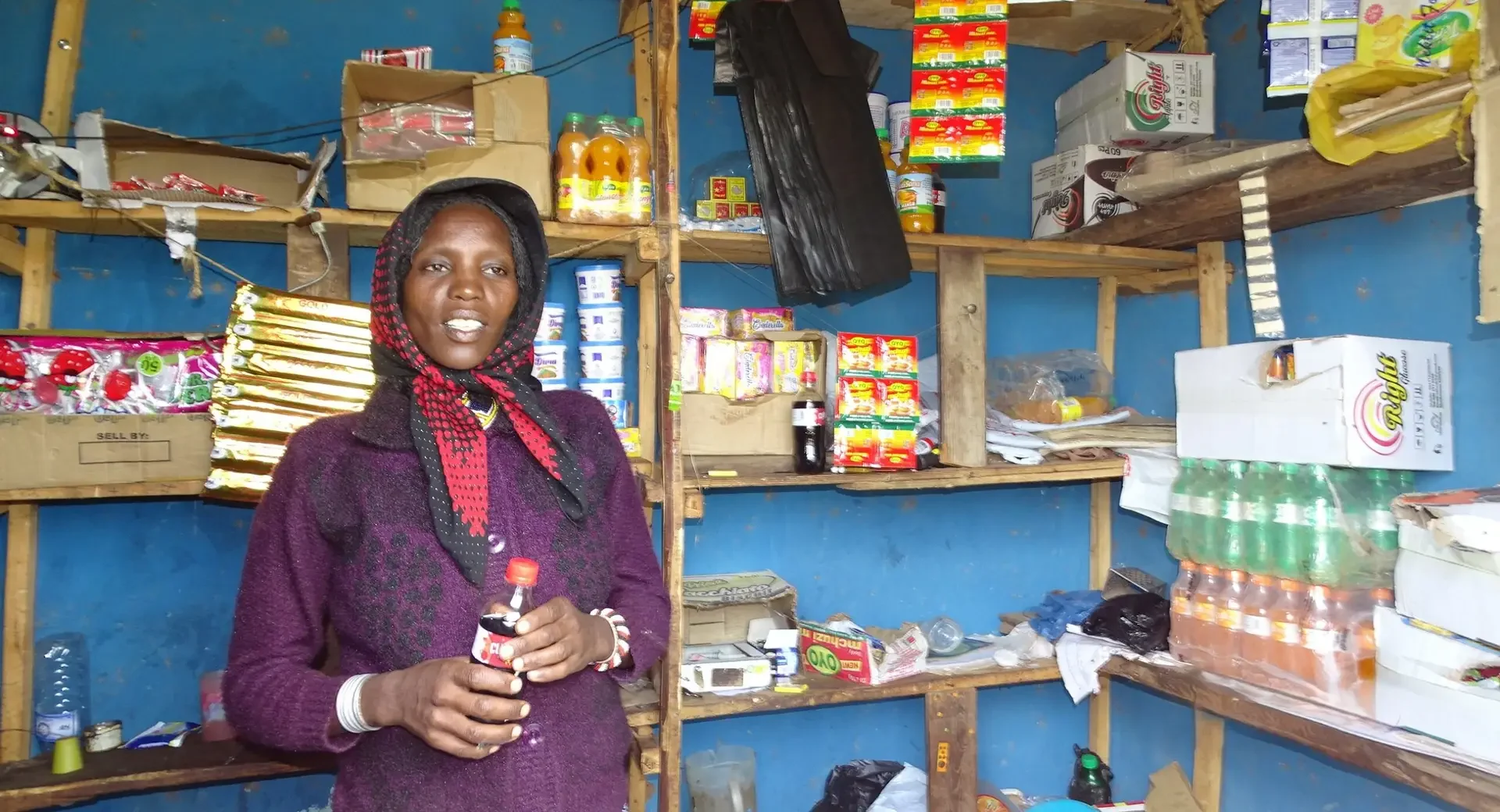
• Economic Empowerment of Over 3,700 Women and Girls: Participants successfully launched and managed small-scale businesses, enabling them to generate their own income and improve household livelihoods.
• Literacy and Financial Record-Keeping for 1,570 Women: Through our Functional Adult Literacy Program, women gained the ability to read, write, and maintain accurate records of their income and expenditures—enhancing their financial independence and decision-making.
• Women in Leadership and Governance: Dozens of women assumed leadership roles within local administrative structures and formal community institutions, actively participating in decision-making processes and representing the interests of their communities.
• Shifting Gender Norms at the Household Level: More than 50% of families involved in the program reported positive attitudinal changes, including more equitable sharing of household responsibilities and joint decision-making between men and women.

Women & girls empowerment

Case Stories

CASE STORY

Empowering Women Through Literacy:

“…Among them was Tume, a 45-year-old woman from a family of ten. “No girl in my family ever went to school,” she says. “Like most girls in our area, I grew up without formal education. My parents couldn’t afford to send me to schools that were far from our village.”
Tume’s realization of the importance of education came later in life, after she got married and tried to run a small business. “Living without education made everything harder,” she explains. “I had to rely on others just to search for a name on my phone, record my sales, or count money. I never imagined I’d get the chance to learn how to read and write at my age…”

CASE STORY

Journey to Empowerment

“…When explaining her role in the social interactions in her locality, Kure expresses, “I have never participated in any major gathering that involved public engagements and groups as such a role was for my husband. I have heard both in our Kebele and in those surrounding Kebeles that some women organize themselves in groups to improve their lives. However, I could not get that chance even if I wanted to because of the change in my behavior since 2020 as I become an alcohol addict and excluded from such opportunities…”

Our future plan

Our community-based gender equality and Women’s and girl’s empowerment initiatives will continue to adopt the central strategic objective of our organization. As a way forward we will continue to work to reach out to more people and geographic areas learning from our previous and current lessons and adapting to the changing environment. Therefore, our local programmatic interventions will continue to:
▶ Empowering Women and girls demonstrate increased confidence, self-esteem, and decision-making power, alongside improved and diversified income sources.
▶ Mobilizing men and family members to actively support women and girls in shared household decision-making, particularly in the management and use of household income.
▶ Mobilizing community members, leaders, duty bearers, and local change agents increasingly advocate for and enabling women’s participation in community-level decision-making processes.

In doing so, we will further strengthen our partnerships, collaborations and resource mobilization endeavors both from within the country and from international donors.

Get in Touch

Contact Us

Kirkos Sub city, Woreda 07, AN Business Center, 4th floor, P. O. Box: 18500; Addis Ababa-Ethiopia

+251 115 318141

Send Us a Message

Use the form below to reach out to us. We\’ll get back to you as soon as possible.

First Name
Last Name
Email
Message
Thank you for contacting APCfC. Your message has been submitted successfully!
There has been some error while submitting the form. Please verify all form fields again.

Scroll to Top

Review My Order

0

Subtotal